
Why Your Home’s Design May Affect Your Move-Out Cleaning Costs (As Explained By a Professional Housekeeping Team)
Why Your Home’s Design May Affect Your Move-Out Cleaning Costs (As Explained By a Professional Housekeeping Team)
If you think that move-out cleaning costs are based on square footage, you’re only partly right.
Turns out, the design details in your home can significantly affect the time, effort, and cost involved in a move-out clean.
If your move-out cleaning quote seems higher than expected—or you’re wondering whether hiring a professional cleaning team is worth it—the following article, contributed by the Four Seasons Cleaning team in Seattle, Washington, offers some helpful answers. Enjoy!

Why might two apartments of the same size require dramatically different amounts of cleaning labor? It all comes down to the details. If you’ve got open shelving, recessed lighting, grout, crown molding, and specialty finishes, you can expect your move-out clean to cost more, and take longer. Here’s why.
Design Choices That Make Cleaning Cost More
Whether you hire a professional or tackle the job yourself, there are a few surfaces and design details that are guaranteed to drive up your cleaning costs because they need extra cleaning time, require specialty products, or both!
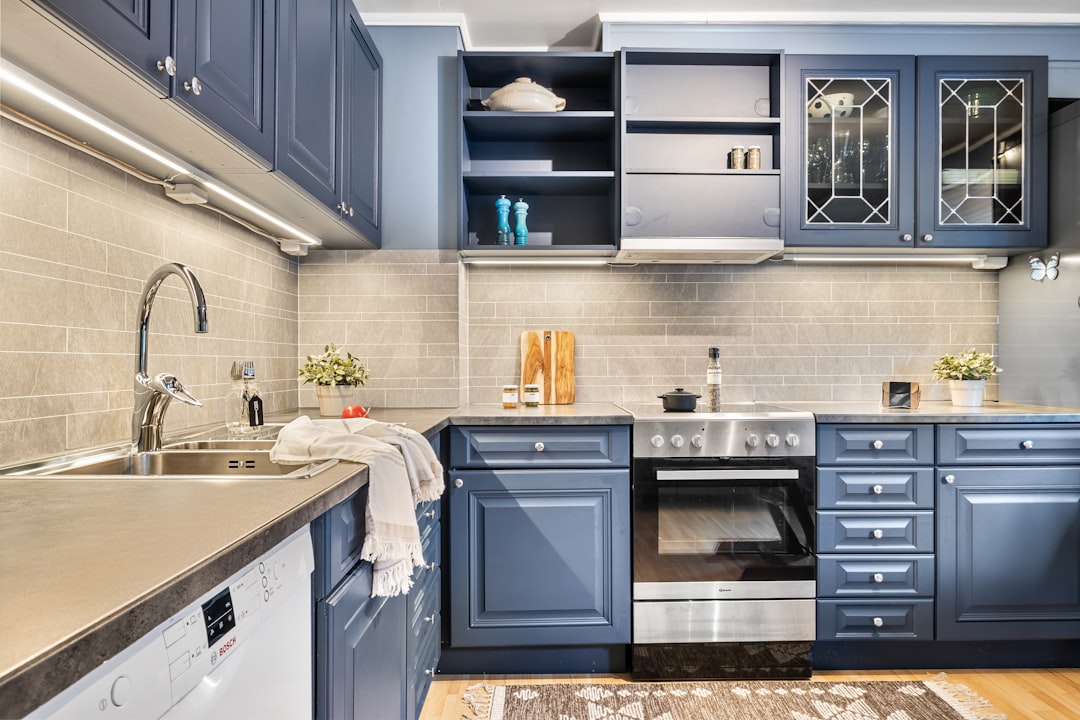
Open shelves, paneled drawer and cabinet fronts, and glass cabinets all make a kitchen harder and more expensive to clean.
Open Shelving: So pretty, but so dusty
Without cabinet doors, open shelves collect airborne dust constantly — not just on top, but underneath and along back edges invisible from standing height. By move-out day, that dust has been accumulating for months and adheres more stubbornly than fresh buildup. Dusty open shelving is a common deposit deduction. Professional cleaners use ladders and microfiber cloths to reach every surface, including spots that DIY efforts frequently miss.
Textured Ceilings: Hard to Clean, Easy to Damage!
Popcorn, knockdown and skip-trowel ceiling finishes trap dust and cobwebs in their uneven surfaces. The problem isn’t just getting it clean — it’s that aggressive cleaning damages the texture itself. Steam and wet cloths can cause sections to crumble or peel, turning a cleaning task into a repair cost. Professional cleaners use extended dusters and low-pressure techniques that remove buildup without causing damage, a balance that a lot of DIY approaches get wrong.
Recessed Lighting: Hard-to-Reach Nooks
Each recessed lighting canister collects dust and insect debris inside its rim and trim ring. That’s manageable with one or two fixtures, but a modern home with 20 to 30 recessed lights means 20 to 30 separate overhead surfaces, many in hard-to-reach areas. The cumulative time adds up in professional cleaning quotes, but can save you from risking your safety while perched precariously over a staircase on a ladder.
Traditional Baseboards & Stacked Crown Molding: Dusty Details
Ornate baseboard profiles and crown molding with multiple ridges require a brush or cotton swab to clean each groove individually, which takes longer than flat baseboards. Scuffs from furniture and foot traffic are also harder to remove from detailed painted molding. Dirty baseboards are a frequent reason for security deposit deductions, so this detail genuinely matters at move-out.

High gloss surfaces show smudges, dust, and scratches and must be cleaned thoroughly, but carefully.
Glossy and High-Gloss Finishes: Only Pretty When Perfect
High-gloss cabinet doors and lacquered surfaces look stunning in a clean home, but they readily show fingerprints, smudges and streaks. Abrasive products or the wrong cloth will permanently scratch the finish, which means you need to use slower, more deliberate cleaning methods and specialty products that aren’t always available off the shelf. Professional cleaners always use lint-free cloths and streak-free, non-abrasive cleaning solutions for high-gloss surfaces.
Tile Grout: A Classic Cleaning Nightmare
Grout is porous and absorbs stains, soap scum and mold over time. Standard mopping does very little to clean grout that has accumulated grime over months or years. Restoring grout to an inspection-ready state requires a dedicated brush, penetrating cleaner and significant labor, making it one of the most time-intensive surfaces in any home. In heavily stained cases, only professional-grade cleaning agents get the job done.
Natural Stone & Stainless Steel: Surprisingly High-Maintenance
Natural stone and stainless steel may be durable, long-lasting materials, but they are also easily damaged by the wrong cleaning products.
Marble, granite and travertine require pH-neutral stone cleaners. Standard household products, especially anything acidic like vinegar, lemon or many multi-surface sprays, will permanently etch or dull natural stone.
Stainless steel appliances must be cleaned with the grain using lint-free cloths. Cross-grain wiping leaves visible micro-scratches that are difficult to reverse. Using the wrong product or technique on either surface can result in repair costs that far exceed the cleaning bill.
Why These Details Drive Up Cleaning Costs
Professional cleaning pricing is based on time and materials. Every specialty surface and intricate detail adds labor. When a property combines several of these features, recessed lighting throughout, open shelving, detailed crown molding, natural stone countertops and grout-heavy bathrooms, cleaning time increases substantially.
That’s why two homes of identical square footage can carry very different cleaning quotes. Make sure you describe your home’s specific finishes and design details when requesting quotes, not just the number of rooms, to help get accurate pricing from the start.
Is a Professional Move-Out Clean Worth It?
Nearly half of U.S. renters already spend more than 30% of their income on housing, and the cost of a professional cleaning at move-out can push an already tight budget over the edge.
But when a property includes specialty surfaces, intricate details, or areas commonly flagged during inspections, hiring a professional may actually save money in the long run. Professional cleaners work to turnover standards, which helps reduce landlord disputes, and they also know which products and techniques to use on surfaces like natural stone, grout, stainless steel, and high-gloss finishes—helping prevent costly damage during cleaning.
It’s just a matter of evaluating if the cost of a professional move-out clean is less than what you might lose in deposit deductions, and if it is likely to save you from accidentally damaging a surface while trying to tackle the job yourself.
How to Find the Right Move-Out Cleaner
As anyone who’s hired a housekeeper knows, not every cleaning team knows how to handle delicate and luxury residential surfaces. Before booking, verify that the company is licensed and insured, and ask how it handles specialty surfaces such as stone, grout, and high-gloss finishes. Confirm what happens if your landlord identifies a missed area after the cleaning, and get any re-clean guarantee in writing.
Look for a company that provides clear answers, transparent written estimates, and no-pressure communication—those are often signs of a professional operation. Established local businesses are often a safer bet because they have a reputation to protect and depend on referrals and repeat customers to stay in business.
The Four Seasons Cleaning Team
Three Things You Can Do Right Now
You don’t have to wait until moving week to get ahead of this. Here are three actionable steps you can take today.
- Walk through your home: Use your phone camera to record a room-by-room video. Note things like greasy range hoods, scuffed walls, dusty vents or pet hair under radiators. This also documents the unit’s condition, which can protect you if disputes arise later.
- Define your scope of work before requesting a quote: Write down every room and every surface you need cleaned, including appliance interiors, closet shelving and baseboards. Bringing this list to every conversation makes comparisons honest and keeps you from being upsold on things you don’t need.
- Vet at least two local cleaning companies: Look for proof of insurance, a detailed service page and reviews that mention move-out experience specifically. Doing this early means you’re booking from a place of choice rather than scrambling at the last minute.
Leave Your Old Home Behind With Confidence
Leaving a clean home behind creates closure. Instead of worrying about surprise deductions or tense landlord emails, you can start your next chapter knowing professionals handled the space, including the surfaces and details that make inspections difficult. The goal is a smoother, calmer handoff so you can focus on what comes next.

About the Contributor
This article was contributed by the team at Four Seasons Cleaning, a family-owned Seattle-area cleaning company serving the region for more than five decades. If you’re looking for affordable, reliable move-out cleaners in the Seattle area, their team would be happy to help!
More Advice for your Seriously Happy Home




Eager to get happy at home right now?
Get 10 tips for a happier home!

HI, I'M REBECCA WEST! I’m the founder of Seriously Happy Homes, the author of Happy Starts at Home, and a business coach for residential interior designers.
I believe our homes have a huge impact on our happiness and well-being, but I don’t care if you buy a new sofa or remodel your kitchen. I just care that your home supports your goals and feels like “you.”
May your home always make you happy! 